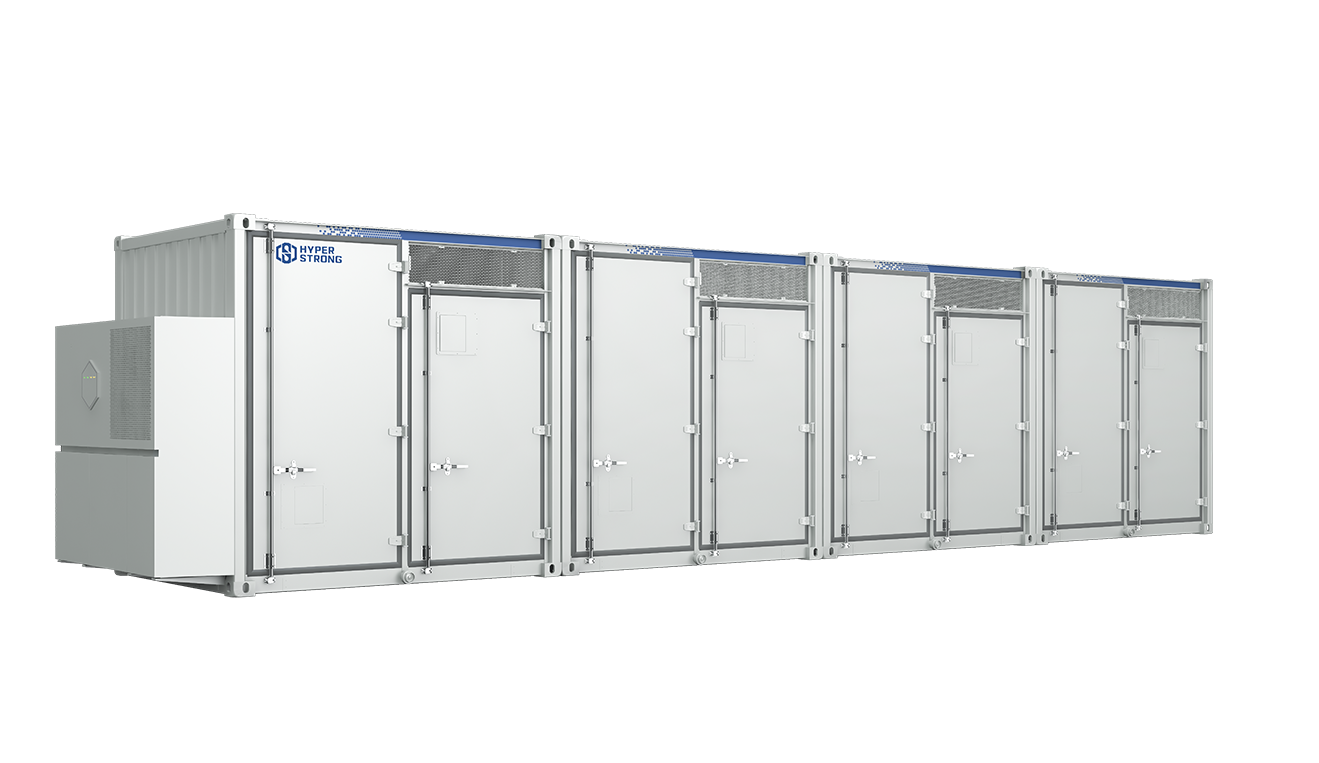
Decisions regarding battery chemistry directly influence the performance and economics of a battery energy storage system. Two chemistries, Lithium Iron Phosphate (LFP) and Sodium-ion, are central to current industrial discourse. This analysis examines their distinct characteristics to inform planning for large-scale energy storage battery deployment.
Foundational Characteristics and Safety
LFP chemistry has established a strong position in the battery energy storage system market due to its stable thermal profile and long cycle life. Its olivine structure provides inherent safety advantages, reducing thermal runaway risk—a critical factor for installations where safety is paramount. Sodium-ion technology, utilizing abundant sodium instead of lithium, presents a different safety proposition but shares a similar advantage in avoiding cobalt and nickel.
Material Economics and Supply Chain
The cost structure and supply chain resilience for each energy storage battery chemistry differ substantially. LFP’s value proposition is strengthened by its lack of expensive cobalt, mature manufacturing scale, and established material sourcing. Sodium-ion’s primary economic argument rests on the lower cost and wider global availability of its raw materials, which may offer greater long-term price stability and supply chain independence as production scales.
Performance Parameters for Grid Applications
When evaluating a battery energy storage system for grid support, key metrics include energy density, cycle life, and performance in varying temperatures. LFP batteries offer proven cycle longevity and good operational performance. Sodium-ion cells typically exhibit lower energy density but can maintain better functionality in colder climates. Their efficiency and cycle life are rapidly approaching levels suitable for many stationary storage applications.
The evolution of battery chemistry is a dynamic process with significant implications for system design and project finance. LFP currently offers a proven, high-performance solution for diverse projects, while Sodium-ion presents a promising alternative with distinct supply chain and cost benefits. Companies like HyperStrong monitor these technological progressions closely. Integrating this chemistry assessment into early project planning allows developers to align technology selection with specific site requirements and financial models. HyperStrong‘s work in deploying large-scale storage involves evaluating these chemistries for optimal application. This technical diligence ensures that a battery energy storage system is built on a foundation that balances safety, cost, and performance for its intended duty cycle.
