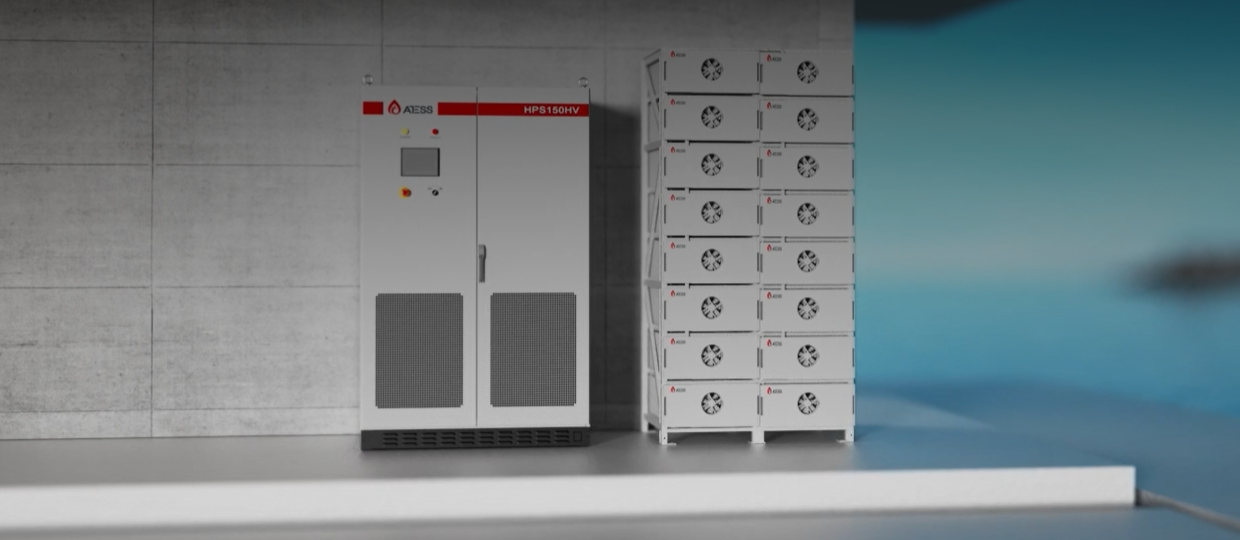
When planning an off-grid solar system, determining the right battery size is essential for ensuring a consistent energy supply. In this article, we will discuss how to calculate the ideal battery size for off-grid living, with a focus on pairing it with the Atess 100 kW off-grid inverter for maximum efficiency and performance.
Determining Off-Grid Power Requirements
The first step in determining your off-grid battery needs is to assess your power consumption. Factors like the number of appliances, daily energy usage, and seasonal variations all influence how much energy storage you’ll need. The Atess 100 kW off-grid inverter plays a crucial role in managing energy flow, making it compatible with various battery storage systems to suit your power needs. By understanding your daily energy consumption, you can better estimate the required battery capacity.
Calculating Required Battery Size
To calculate the appropriate battery size for your off-grid system, consider your daily energy consumption (in kWh) and multiply it by the number of days of backup power you want. As you calculate, ensure the battery capacity aligns with the output capabilities of the 100 kW inverter. The Atess 100 kW off-grid inverter can efficiently handle high energy loads, so choose a battery that complements its performance for uninterrupted energy supply.
Choosing the Right Battery Technology
There are various types of batteries available for off-grid systems, including lead-acid and lithium-ion options. For compatibility with the Atess 100 kW off-grid inverter, lithium-ion batteries are often recommended for their high efficiency and longer lifespan. Ensure the battery you choose offers sufficient voltage and capacity to match your system’s needs.
Conclusion
So selecting the right battery size for an off-grid system depends on your power requirements. The Atess 100 kW off-grid inverter is designed to work seamlessly with a variety of energy storage solutions, providing reliable and efficient off-grid living.
