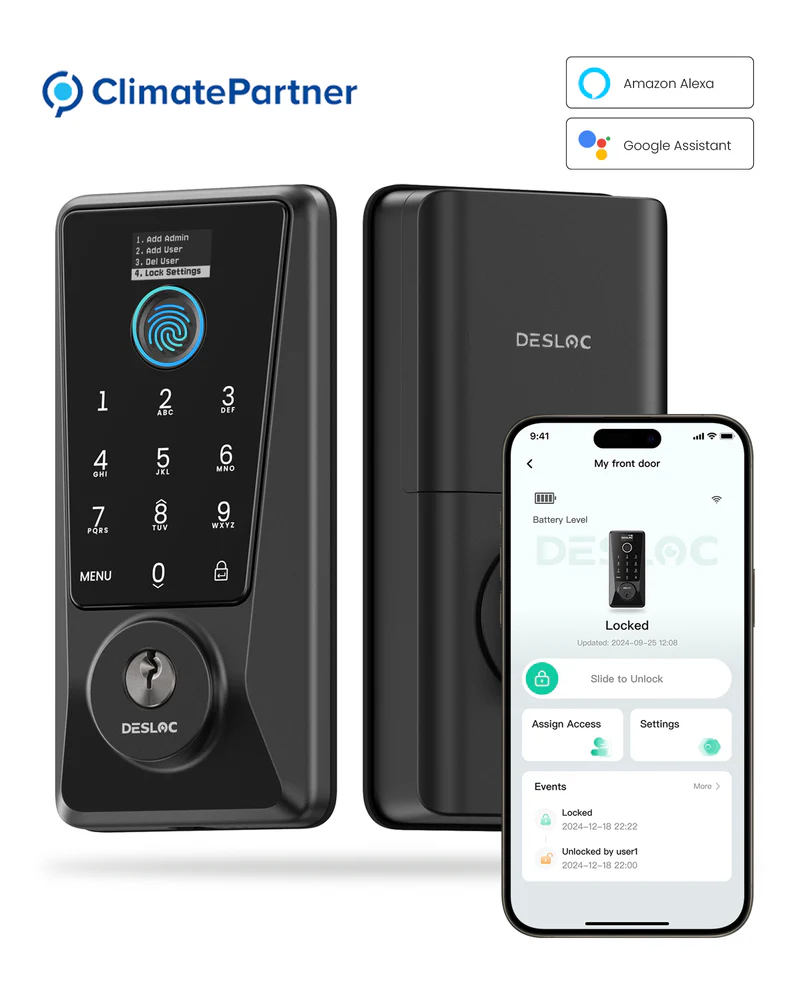
As home automation continues to evolve, homeowners are faced with a critical choice when it comes to securing their residences: should they opt for smart locks with built-in WiFi or those requiring a bridge for connectivity? This decision is especially relevant when considering cutting-edge products like the DESLOC D110 Plus smart WiFi door lock, a smart WiFi door lock designed to enhance both security and convenience.
The Evolution of Smart Locks
Smart locks have transformed how individuals protect their homes. Traditional locks have given way to advanced technologies that offer various features such as remote access, activity tracking, and customizable entry options. A smart lock with built-in WiFi, like the DESLOC D110 Plus smart WiFi door lock, allows users to manage their lock from anywhere through a dedicated app, providing unparalleled access control. The ability to assign unique access levels and monitor activity offers a level of security that traditional locking mechanisms cannot match.
In contrast, bridge-connected smart locks, which rely on a separate device to communicate with WiFi networks, introduce additional complexities. Users must install and manage this bridge, which can complicate the setup process and may result in connectivity issues. The dependence on a secondary device may also create vulnerabilities. In contrast, a smart WiFi door lock like the DESLOC D110 Plus smart WiFi door lock integrates directly with the network, streamlining the user experience while minimizing potential points of failure.
Weighing Security vs. Connectivity
When discussing the efficacy of smart locks with built-in WiFi versus bridge-connected models, security remains paramount. The DESLOC D110 Plus exemplifies a secure solution by providing real-time alerts and activity logs, allowing users to have complete control over who enters their homes. This design reduces the risks associated with unauthorized access, providing peace of mind tailored to individual lifestyles.
On the other hand, relying on bridge-connected systems means that users could face delays in communication between the lock and the app, potentially compromising security during emergency situations. Furthermore, the hassle of managing an additional piece of hardware may deter some users from utilizing home automation technology effectively.
As more individuals seek to adopt smart home technologies, the convenience of having a smart lock with built-in WiFi, such as the DESLOC D110 Plus smart WiFi door lock, makes it an attractive option. Not only does it simplify the process of securing a home, but it also enhances the user experience by centralizing control through a single device.
Practical Considerations for Homeowners
Homeowners should evaluate their specific needs and preferences when selecting between smart locks with built-in WiFi and those that depend on bridging technologies. While both options provide benefits, the DESLOC D110 Plus smart WiFi door lock stands out for its seamless integration, robust security features, and user-friendly design. Ultimately, the choice will depend on weighing connectivity efficiency against potential complexities and security assurance.
In a world where security is increasingly paramount, smart WiFi door locks offer a compelling solution for modern homeowners seeking peace of mind.
