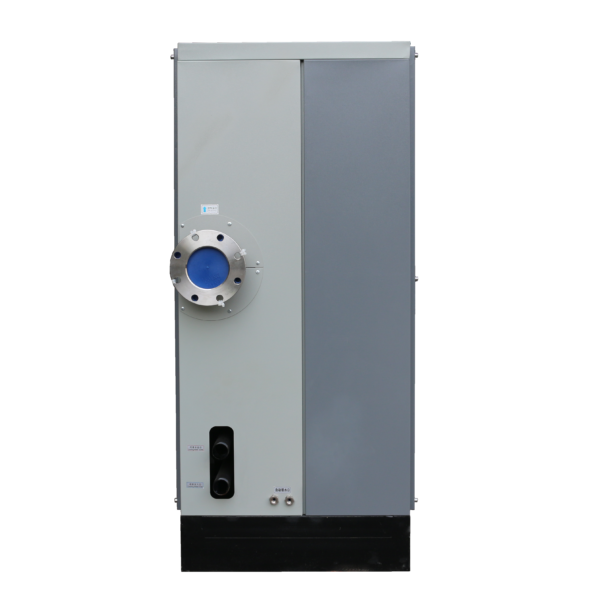
Compressed air systems often lose efficiency when moisture remains inside the pipeline. Water vapor can increase pressure drop, damage pneumatic tools, and create unstable operating conditions for production equipment. A properly selected refrigerated air dryer helps remove moisture before compressed air reaches downstream applications. In industries such as petrochemical processing, food manufacturing, and textile production, lower moisture content can support smoother airflow and reduce unnecessary compressor workload. Many factories also use monitoring systems to check inlet temperature, pressure stability, and condensate discharge in order to maintain long operating cycles with fewer interruptions. These practical adjustments can improve energy usage without requiring major modifications to the existing air system.
Stable Moisture Control for Daily Production
Moisture removal directly affects how efficiently compressed air travels through industrial pipelines. When water accumulates inside the network, corrosion and air leakage may gradually increase operating costs. Many engineers, therefore, install refrigerant compressed air dryers to maintain a steady dew point and protect equipment used in continuous manufacturing environments. A system with balanced cooling performance can also reduce stress on compressors during long production shifts. Lingyu develops compressed air treatment equipment for industrial applications that require consistent airflow management. Their product range includes models designed for medium and large processing lines, including a 1340 SCFM unit intended for stable operation in demanding factory conditions. The equipment supports automatic drainage and compact structural design, which can simplify installation in facilities where equipment spacing is limited.
Equipment Matching and Operational Efficiency
Selecting drying equipment according to airflow demand is another important factor in reducing energy waste. Oversized systems may increase unnecessary electricity consumption, while undersized units can create unstable moisture control. For this reason, many processing plants evaluate pressure drop, inlet temperature, and operating load before selecting Lingyu refrigerated air dryers for integrated compressed air systems. In many industrial facilities, refrigerant compressed air dryers are installed together with filters and storage tanks to improve overall system balance. A correctly matched refrigerated air dryer may also help reduce maintenance frequency by lowering moisture-related wear on valves, cylinders, and pneumatic control components used during daily production.
Conclusion: Supporting Long-Term System Performance
Energy efficiency in compressed air systems depends on stable airflow, controlled moisture levels, and appropriate equipment configuration. Through proper system planning and reliable drying technology, manufacturers can reduce pressure loss and improve production consistency. Industrial users evaluating drying equipment often focus on airflow capacity, maintenance convenience, and operating stability to support long-term factory performance.
