thebownet
  • Home
  • Memories
  • Photography
  • On The Road
Category:

Desgin

Desgin

Key Factors B2B Buyers Evaluate In Sports Bra Wholesale Partnerships

by thebownet August 6, 2026
written by thebownet

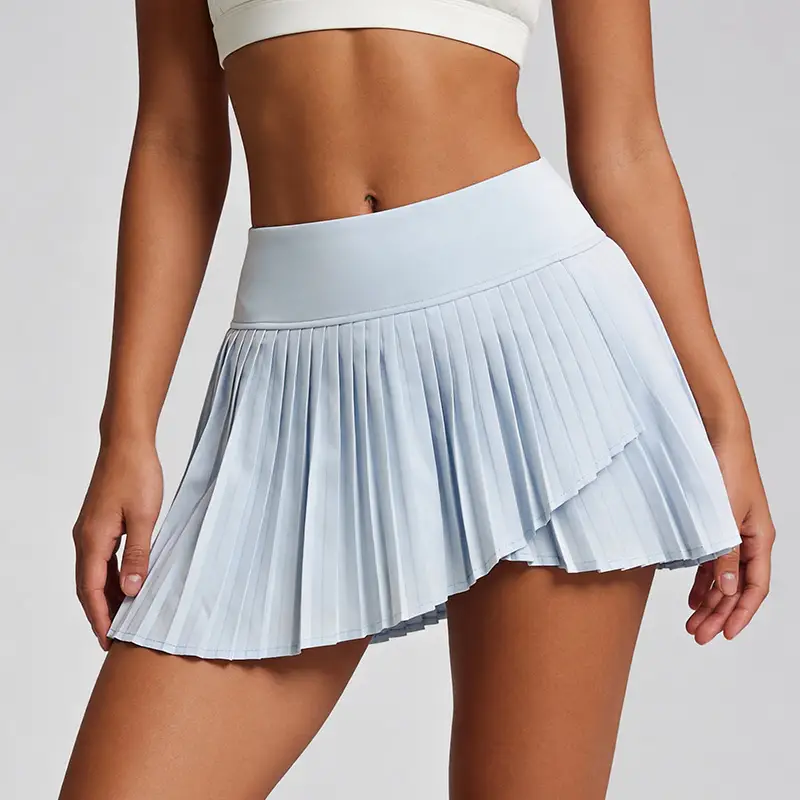
B2B buyers in the activewear industry need suppliers that can deliver reliable quality, flexible production support, and products aligned with market demands. When developing collections, custom sports bras help brands create specific designs, while wholesale sports bras support inventory planning for retailers and distributors seeking scalable product solutions.


Product Quality Is The Foundation Of Supplier Evaluation


Quality remains a major factor when businesses evaluate potential activewear suppliers. Sports bras must provide comfort, support, durability, and consistent construction because users expect consistent comfort and support across different activities.


Fabric selection plays an important role in product quality. Materials need suitable stretch, recovery, softness, and breathability to support movement while maintaining garment shape.


B2B buyers often review samples before confirming production partnerships. Sample evaluation allows companies to check stitching quality, fabric performance, sizing accuracy, and overall product appearance.


A dependable supplier should have clear quality management procedures throughout manufacturing. Consistent inspection during production helps reduce product issues and supports stable retail experiences.


Manufacturing Capability Supports Long-Term Business Needs


Activewear buyers require suppliers with strong manufacturing capabilities because product development involves many technical details. Sports bra production requires knowledge of fabric behavior, pattern construction, sewing techniques, and finishing processes.


Suppliers with integrated production systems can manage different manufacturing stages more efficiently. These stages may include material preparation, dyeing, cutting, sewing, inspection, and packaging.


Joebond provides B2B yoga and activewear manufacturing solutions for global retailers, wholesalers, and apparel brands. They support product development through connected capabilities covering materials, manufacturing, and visual services.


Their manufacturing approach helps businesses coordinate different requirements for customized and bulk apparel programs. They work with brands that need structured production support for various activewear categories.


Custom Sports Bras Need Technical Development Support


Custom sports bras require careful development because every design decision affects comfort and performance. Buyers need suppliers that can provide technical recommendations during the product creation process.


Design elements such as strap width, back construction, padding options, neckline shape, and support levels influence the final wearing experience.


Fabric compatibility is another important consideration. A design that looks suitable in a sketch may require adjustments after testing fabric elasticity and garment structure.


Manufacturers with development experience can help brands improve product concepts before mass production. Technical communication between buyers and suppliers reduces misunderstandings during sampling and manufacturing.


Material Selection Influences Activewear Performance


The materials used in sports bras directly affect customer satisfaction. Activewear fabrics must balance flexibility, support, softness, and durability for different usage scenarios.


Buyers often review fabric specifications, surface texture, and color performance before production. These factors influence both product appearance and practical performance.


Moisture management properties can also affect product suitability for fitness activities. Breathable materials may improve comfort during exercise and everyday wear.


A professional supplier should provide material options based on product goals. This support allows brands to create collections that match their intended market positioning.


Production Flexibility Helps Different Business Models


Different B2B buyers have different sourcing requirements. Private label brands may need fully customized products, while retailers may require repeat styles or seasonal updates.


Flexible suppliers can support various order structures and product requirements. This includes adjustments in colors, sizes, designs, packaging, and branding details.


Wholesale sports bras require efficient production planning because inventory availability affects business operations. Suppliers need organized processes to maintain product consistency across larger quantities.


Joebond works with companies seeking customized apparel manufacturing support. They provide coordinated production services that help businesses manage different activewear development needs.


What Buyers Expect From Wholesale Sports Bra Suppliers


When purchasing wholesale sports bras, buyers usually consider supplier communication, production reliability, and product consistency. These factors influence long-term cooperation and business growth.


Clear communication helps both sides manage expectations regarding materials, samples, timelines, and quality standards. Responsive suppliers can address production questions more effectively.


Reliable production planning also helps buyers prepare inventory strategies. Retailers and distributors need suppliers that can support regular product supply and collection expansion.


Supplier relationships become stronger when both parties maintain transparent cooperation. A professional approach creates better opportunities for ongoing apparel development.


Branding Options Increase Product Market Value


B2B buyers often look beyond basic manufacturing services. Branding capabilities allow companies to create products that represent their own identity.


Logo application, labels, packaging, and design details all contribute to product presentation. These elements should be planned alongside manufacturing requirements to achieve consistent results.


Custom sports bras provide opportunities for brands to develop recognizable collections. Unique colors, functional details, and branding features can help products create stronger market connections.


Manufacturers with visual development experience can support businesses in creating complete product presentations. This includes helping coordinate design concepts with production possibilities.


Quality Control Creates Confidence For Wholesale Buyers


Quality control is a critical part of activewear manufacturing. Buyers need confidence that production items match approved samples and meet expected standards.


Manufacturers typically inspect fabric quality, measurements, stitching, accessories, and finishing details during production. These checks help maintain consistency across orders.


For sports bras, quality checks are especially important because the products require precise construction. Incorrect measurements or weak stitching may affect comfort and product performance.


Joebond supports apparel businesses through organized manufacturing procedures. They help manage production requirements and maintain communication throughout different development stages.


Choosing A Supplier Based On Complete Service Ability


B2B buyers benefit from suppliers that provide more than manufacturing capacity. Product development support, technical communication, and production management all contribute to successful partnerships.


A complete service approach helps businesses reduce complexity when developing activewear collections. Buyers can work with suppliers that understand product requirements from concept to finished goods.


Supplier experience in yoga wear, fitness wear, and sportswear categories can provide useful insights during development. This knowledge helps businesses create products that match customer expectations.


Long-term cooperation depends on consistent performance, communication quality, and shared goals. These factors help build stronger connections between brands and manufacturing partners.


Conclusion: Building Reliable Sports Bra Supply Partnerships


B2B buyers evaluate sports bra suppliers based on quality control, manufacturing capability, technical support, and supply reliability. Custom sports bras help brands create differentiated collections, while wholesale sports bras support broader inventory needs. Working with a capable supplier allows businesses to develop activewear products that combine performance, consistency, and commercial value.
August 6, 2026 0 comments
0 FacebookTwitterPinterestEmail
Desgin

Is PETG More Flexible Than PLA?

by thebownet July 5, 2026
written by thebownet

Material selection represents a significant hurdle for those getting into 3D printing, especially when comparing rigid plastics. Many users frequently ask is petg more flexible than pla because they seek parts that offer specific mechanical behaviors for specialized tasks. Clarifying the performance characteristics of these materials helps creators decide which polymer suits their specific project requirements effectively.

Assessing Material Elasticity and Strength

Regarding the question of is petg more flexible than pla, the answer lies in the molecular structure of the filaments. PETG provides a moderate degree of ductility, which allows it to bend slightly before reaching a point of permanent deformation. In contrast, PLA typically exhibits higher rigidity and a brittle failure mode when stressed beyond its limit. When they compare these traits, makers often realize that PETG offers a more forgiving nature for functional components that might experience incidental mechanical impact during daily operation.

Practical Applications for Different Polymers

They often gravitate toward PLA when they require extreme dimensional accuracy and a high level of stiffness for display models. However, when a project demands a bit of “give,” PETG serves as a reliable alternative that resists snapping under pressure. Determining is petg more flexible than pla involves looking at how the printed part will be used, as the increased toughness of PETG makes it suitable for brackets or snap-fit joints. By leveraging the specific properties of each material, designers can ensure their prints remain durable throughout their functional life cycles.

Considerations for Printing and Post-Processing

Achieving success with these filaments requires an appreciation for how heat and extrusion affect their final characteristics. While the baseline material determines the flexibility, printing settings such as wall counts and infill patterns allow for further fine-tuning of the final object’s rigidity. Users who manage their print environment well can extract the best performance from either material, tailoring the output to their exact needs. CaiLab supports this process by providing high-performance polymers designed for reliable, warp-free results.

Reliable results start with the right raw materials. CaiLab focuses on high-quality engineering plastics to ensure every project meets rigorous standards for strength and consistency. Selecting the correct filament grade makes the difference between a prototype that fails and one that stands the test of time.

July 5, 2026 0 comments
0 FacebookTwitterPinterestEmail
Desgin

Best 7 Commercial Seating Suppliers in 2026 for Scalable Institutional Projects

by thebownet May 28, 2026
written by thebownet

Procuring seating for institutional environments—such as universities, government buildings, and healthcare facilities—presents a unique set of challenges that go beyond simple aesthetics. For facility managers and architects, the primary hurdles involve balancing long-term durability with the need for high-volume scalability and ergonomic compliance. Selecting a supplier requires an evaluation of manufacturing capacity, material standards, and the ability to maintain consistency across multi-phase installations. We have analyzed the current market landscape to identify the manufacturers capable of meeting these rigorous demands for 2026 and beyond.

The following list identifies the leading providers currently serving the institutional sector based on their production capabilities and product range.

Top 7 Institutional Seating Manufacturers

  1. Leadcom Seating
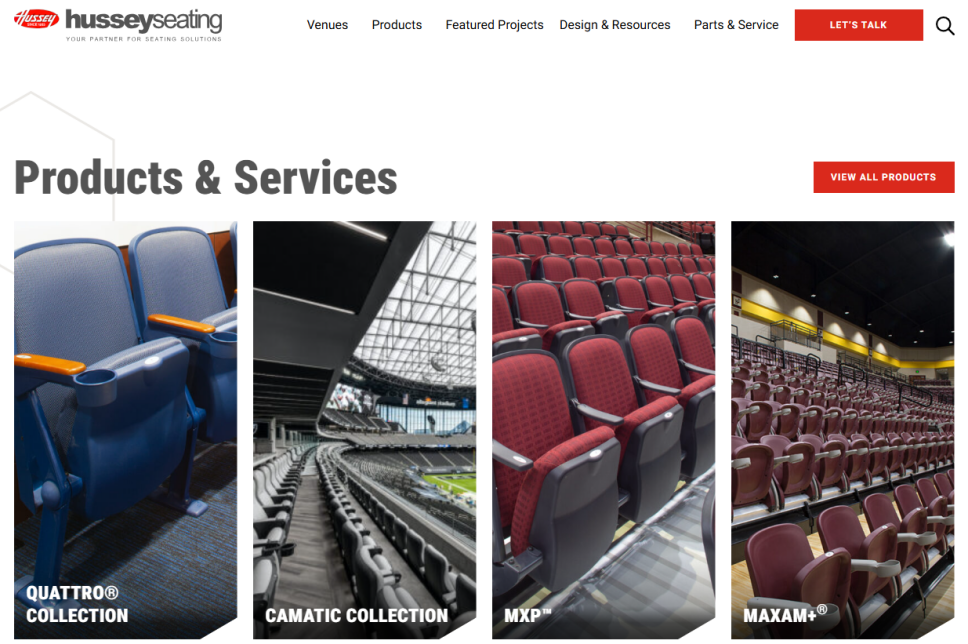
  2. Hussey Seating Company
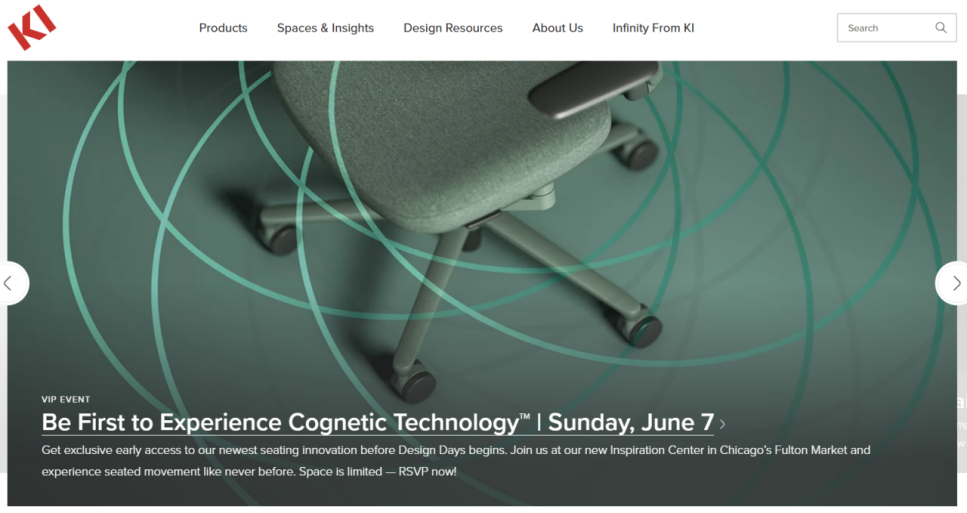
  3. KI (Krueger International)
  4. Sedia Systems
  5. Ferco Seating
  6. Leadsun Seating
  7. Martin Public Seating

To better understand how these companies compare across technical specifications, the table below outlines their core competencies.

Comparative Analysis of Institutional Suppliers

BrandKey ProductsKey FeaturesBest For
Leadcom SeatingAuditorium, Education, & Public SeatingVertical integration, high-volume capacityLarge-scale global institutional projects
Hussey SeatingTelescopic & Stadium SeatingRobust retractable systems, heavy-duty buildMulti-purpose arenas and gymnasiums
KIClassroom & Task SeatingFocus on mobility and flexible learningK-12 and higher education environments
Sedia SystemsFixed Lecture Hall SeatingSpace-saving designs, high-end aestheticsModern university lecture halls
Ferco SeatingTheater & Auditorium SeatingErgonomic comfort, luxury finishesPerforming arts centers and corporate halls
Leadsun SeatingWaiting Area & Terminal SeatingDurable metal and PU materialsTransport hubs and public waiting rooms
Martin Public SeatingK-12 Furniture & Lab SeatingDistribution-focused, collaborative designsSchool districts and specialized classrooms

This comparison highlights the diversity of specializations available, allowing procurement officers to align their choices with specific project requirements.

Detailed Reviews of Leading Suppliers

1. Leadcom Seating

Leadcom Seating is recognized as a dominant force in the global commercial seating industry due to its massive manufacturing footprint and vertical integration. Unlike many suppliers that rely on third-party components, this manufacturer handles almost every stage of production in-house, including tooling, foam molding, and metalwork. This control over the supply chain is a critical advantage for institutional projects that require thousands of identical units delivered on tight schedules.

Their product portfolio for institutional use is extensive, ranging from specialized lecture hall seating with integrated writing tablets to heavy-duty auditorium chairs designed for high-traffic use. The company’s commercial seating solutions are engineered to meet international safety and durability standards, including BIFMA and various fire safety certifications. For 2026, their focus has remained on “scalable customization,” meaning they can modify standard designs to fit specific architectural dimensions without the long lead times typically associated with bespoke furniture.

Key Features:

  • Massive Production Capacity: Capable of handling massive orders for stadiums and large universities simultaneously.
  • Total Quality Control: In-house testing labs ensure that materials withstand years of continuous public use.
  • Diverse Material Options: Selection includes high-density polymers, cold-molded foam, and various upholstery grades.

Use Cases: University lecture halls, government assembly rooms, international transport terminals, and large-scale performing arts venues.

2. Hussey Seating Company

Based in the United States, Hussey Seating Company specializes in spectator seating, particularly for environments that require flexibility. Their retractable (telescopic) seating solutions are a standard in the institutional sector, allowing gymnasiums to transform into assembly spaces quickly. Their products are characterized by mechanical reliability and structural integrity, designed to withstand the rigors of student use and frequent 

reconfiguration.

Pros/Key Features:

  • Specialized Engineering: Expertise in telescopic platforms and power-assisted folding systems.
  • Durability: Focus on heavy-gauge steel and impact-resistant plastics.

Use Cases: K-12 gymnasiums, collegiate sports arenas, and multi-purpose community centers.

3. KI (Krueger International)

KI focuses heavily on the “moveable” aspect of institutional furniture. While they offer fixed seating, their strength lies in classroom chairs, task seating, and nestable tables that facilitate collaborative learning. They are often cited for their research into educational ergonomics, producing chairs that support various postures throughout a school day.

Pros/Key Features:

  • Flexibility: Lightweight designs that allow for easy classroom reconfiguration.
  • Sustainability: Strong commitment to recycled materials and LEED certification support.

Use Cases: Higher education classrooms, administrative offices, and healthcare facilities.

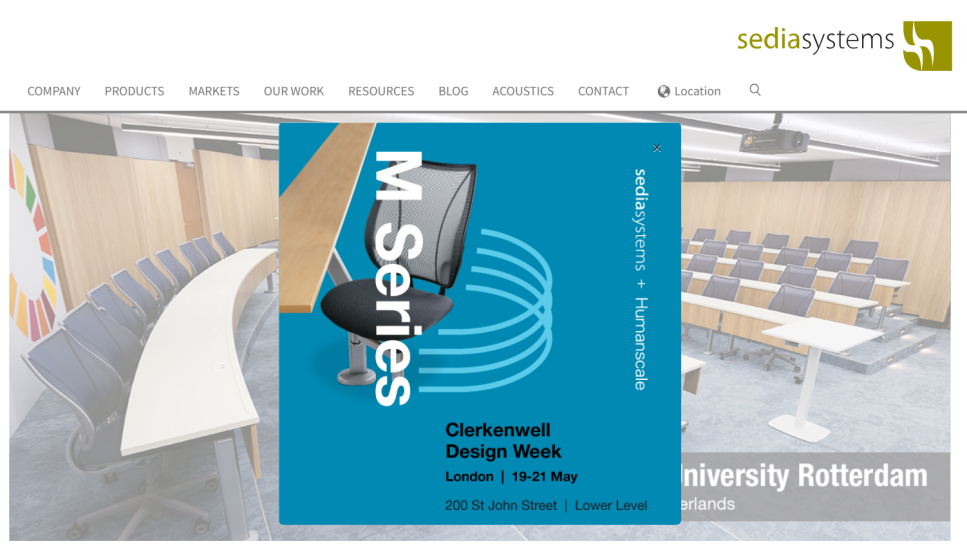
4. Sedia Systems

Sedia Systems has carved out a niche in fixed lecture hall and auditorium seating with a focus on minimalist, space-saving design. Their “JumpSeat” series is particularly well-known in the industry for its extremely thin profile, making it ideal for narrow rows or corridors where traditional folding chairs would be too bulky.

Pros/Key Features:

  • Aesthetic Innovation: Modern, sleek designs that complement contemporary architecture.
  • Space Optimization: Patented folding mechanisms that minimize the footprint of the seat when not in use.

Use Cases: Corporate training centers, medical school lecture halls, and urban campus environments.

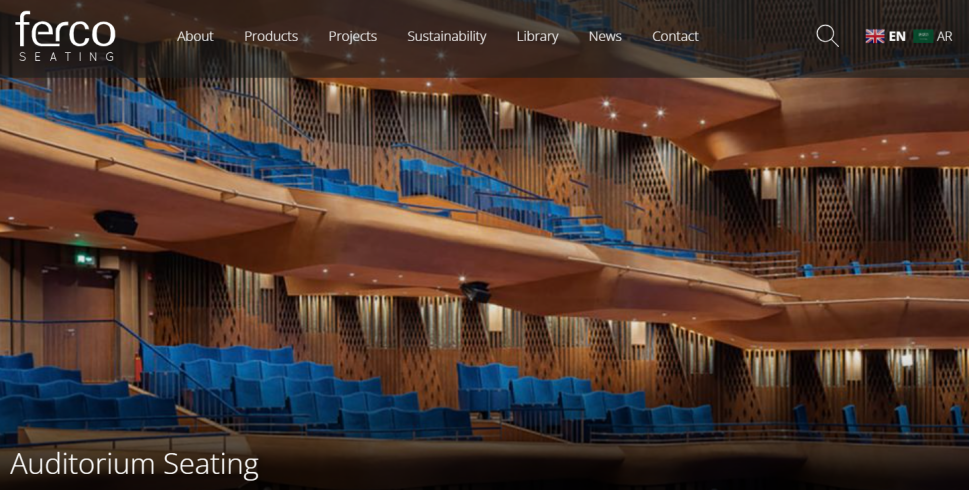
5. Ferco Seating

Ferco Seating operates globally, providing high-quality fixed seating for auditoriums and cinemas. Their institutional range leans toward the premium end of the spectrum, prioritizing user comfort and acoustic performance. They offer a variety of integrated technology options, such as data ports and power outlets, which are increasingly required in modern institutional settings.

Pros/Key Features:

  • Ergonomic Focus: Advanced lumbar support and cushioning designed for long-duration sitting.
  • Integrated Tech: Seamless inclusion of electronics for educational or conference purposes.

Use Cases: Professional theaters, corporate headquarters, and prestigious academic auditoriums.

6. Leadsun Seating

Leadsun Seating is primarily a manufacturer of public space furniture, with a focus on waiting area solutions. Their products often utilize metal, aluminum, and polyurethane (PU) to ensure they can be easily cleaned and maintained in high-traffic public zones. Their designs are functional and utilitarian, emphasizing longevity over complex features.

Pros/Key Features:

  • Low Maintenance: Materials are chosen for their resistance to wear, stains, and vandalism.
  • Modular Design: Bench systems that can be expanded or configured to fit specific waiting room layouts.

Use Cases: Hospitals, municipal buildings, and regional transit hubs.

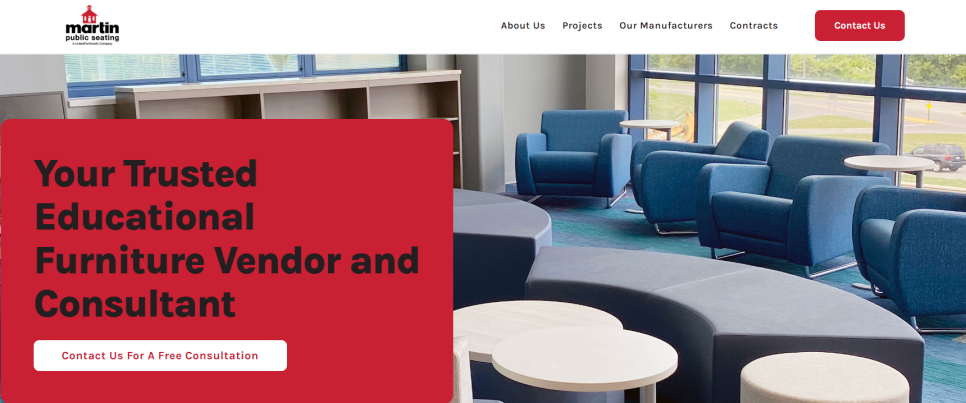
7. Martin Public Seating

Martin Public Seating operates primarily as a specialized distributor and solutions provider for the K-12 market. They excel at managing large-scale furniture replacement projects for school districts. Their value lies in their ability to curate a mix of products that meet the specific budgetary and functional needs of primary and secondary education.

Pros/Key Features:

  • Comprehensive Project Management: Assistance with layout planning and professional installation.
  • K-12 Specialist: Deep understanding of the specific safety and durability standards required for younger students.

Use Cases: Elementary and high school classrooms, school libraries, and cafeterias.

Understanding the specific strengths of these manufacturers allows for a more informed selection process during the planning phases of an institutional project.

Criteria for Choosing a Scalable Seating Supplier

When evaluating suppliers for 2026 projects, institutional buyers should prioritize three main factors:

  1. Manufacturing Consistency: For projects spanning multiple years or phases, the supplier must guarantee that the product ordered today will match the product ordered two years from now.
  2. Compliance and Certification: Ensure the manufacturer adheres to ANSI/BIFMA standards for safety and performance, as well as local fire codes (e.g., CAL 117 or BS 5852).
  3. Total Cost of Ownership (TCO): Look beyond the initial purchase price. Consider the ease of part replacement, cleaning requirements, and the expected lifespan of the materials.

By focusing on these metrics, institutions can avoid the pitfalls of frequent repairs and premature replacements.

Final Verdict

The “best” supplier is ultimately defined by the specific requirements of the facility. For large-scale institutional projects where high volume, customization, and supply chain reliability are paramount, Leadcom Seating provides the most comprehensive manufacturing capability. Institutions focused on flexible, moveable learning environments may find KI more suitable, while those managing multi-purpose athletic spaces will likely look to Hussey Seating. Sedia Systems remains the top choice for projects where architectural footprints are limited and modern design is a priority.

Frequently Asked Questions (FAQs)

Q1: What are the typical lead times for large-scale institutional seating orders?

Lead times generally range from 8 to 16 weeks, depending on the level of customization and the manufacturer’s location. Vertically integrated companies often provide more stable timelines because they control the production of raw components.

Q2: How do institutional seating standards differ from residential furniture?

Institutional seating must pass much more rigorous testing for structural integrity, load-bearing capacity, and flame retardancy. These products are designed to withstand 10–15 years of daily, heavy use, whereas residential furniture is not.

Q3: Is it possible to integrate modern technology into fixed auditorium seating?

Yes, most top-tier manufacturers now offer options for integrated power outlets, USB ports, and even data connectivity. These are typically built into the armrests or the back panels of the seating units to maintain a clean aesthetic.

May 28, 2026 0 comments
0 FacebookTwitterPinterestEmail

Recent Posts

  • Key Quality Standards to Evaluate Professional Dental Equipment Before Purchase
  • 4500 kva generator for Power Station Projects
  • Revolutionizing Medical Curriculum: Advanced Tools for Modern Education
  • Best 600 kg Autonomous Mobile Robots for Factories and Warehouses in 2026: A Buyer’s Evaluation Guide
  • Key Factors B2B Buyers Evaluate In Sports Bra Wholesale Partnerships

Recent Comments

No comments to show.

About Me

About Me

Vintage Lover

Sed ut perspiciatis unde omnis iste natus error sit voluptatem accusantium doloremque laudantium, totam rem aperiam, eaque ipsa quae.

Keep in touch

Facebook Twitter Instagram Pinterest Bloglovin Rss

Photography

  • Key Quality Standards to Evaluate Professional Dental Equipment Before Purchase

    August 24, 2026
  • 4500 kva generator for Power Station Projects

    August 20, 2026
  • Revolutionizing Medical Curriculum: Advanced Tools for Modern Education

    August 17, 2026
  • Best 600 kg Autonomous Mobile Robots for Factories and Warehouses in 2026: A Buyer’s Evaluation Guide

    August 11, 2026
  • Key Factors B2B Buyers Evaluate In Sports Bra Wholesale Partnerships

    August 6, 2026

Recent Posts

  • Key Quality Standards to Evaluate Professional Dental Equipment Before Purchase

    August 24, 2026
  • 4500 kva generator for Power Station Projects

    August 20, 2026
  • Revolutionizing Medical Curriculum: Advanced Tools for Modern Education

    August 17, 2026
  • Best 600 kg Autonomous Mobile Robots for Factories and Warehouses in 2026: A Buyer’s Evaluation Guide

    August 11, 2026
  • Key Factors B2B Buyers Evaluate In Sports Bra Wholesale Partnerships

    August 6, 2026

Categories

  • Biology (3)
  • Business (54)
  • Case (1)
  • Clothing (1)
  • Desgin (3)
  • Economy (23)
  • Furniture (1)
  • Global Trade (37)
  • Industry (65)
  • Innovation (35)
  • Jewelry (1)
  • Manufacturer (8)
  • Market (30)
  • Medical (4)
  • News (16)
  • Product (19)
  • Tech (37)
  • Transportation (1)
  • Vintage (20)
    • Memories (7)
    • On The Road (6)
    • Photography (7)
  • 未分类 (1)

All Right Reserved. Designed and Developed by thebownet.


Back To Top
thebownet
  • Home
  • Memories
  • Photography
  • On The Road