Choosing professional dental equipment is a critical decision for clinics, distributors, and healthcare investors. Equipment quality directly affects treatment efficiency, maintenance costs, patient experience, and long-term business performance. However, with many options available in the global market, buyers need clear benchmarks to identify reliable solutions.
When evaluating dental equipment for sale, professional buyers should look beyond appearance and initial price. Factors such as manufacturing standards, component reliability, ergonomic design, safety testing, and supplier support determine whether equipment can meet demanding clinical requirements.
Roson understands that modern dental practices require dependable equipment built around practical workflows. A professional evaluation process helps buyers select products that provide stable performance and long-term value.
Manufacturing Standards Behind Reliable Dental Equipment
One of the most important quality benchmarks is the manufacturing capability of the supplier. Professional dental equipment requires precise engineering, strict production control, and consistent quality management throughout the manufacturing process.
A reliable dental equipment supplier should have structured quality systems covering material selection, production processes, inspection procedures, and final testing. These systems help ensure that every component performs correctly after installation in a clinical environment.
International quality management standards are also important indicators. Medical device manufacturers often follow systems such as ISO13485, which focuses on quality management requirements specifically for medical products. These standards help manufacturers establish controlled processes for design, production, and monitoring. Roson applies quality management practices and production traceability systems to support consistent equipment performance.
For buyers searching for dental equipment for sale, checking supplier certifications and manufacturing processes can reduce purchasing risks. A professional supplier should be able to provide information about quality control procedures, product testing, and compliance documentation.
Key Features to Examine When Comparing Dental Equipment For Sale
The quality of dental equipment is closely related to its design, functionality, and adaptability to clinical workflows. Buyers should evaluate whether the equipment supports efficient treatment procedures and daily operational needs.
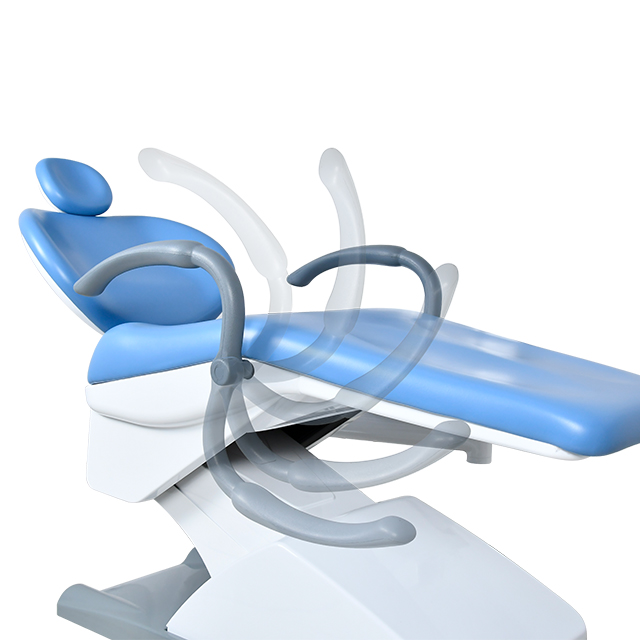
Ergonomic design is one essential factor. Dental professionals often work for many hours in fixed positions, so equipment should support comfortable interaction between dentists, assistants, and patients. Dental chairs, instrument trays, control systems, and accessories should work together to create a smooth treatment environment.
Another important benchmark is component reliability. A professional dental equipment supplier should carefully select critical parts and maintain strict inspection standards. Components such as motors, control systems, valves, and electrical systems influence equipment lifespan and operational stability.
Maintenance requirements should also be considered before purchasing. Equipment with accessible structures and reliable replacement support can help clinics reduce downtime. Buyers should evaluate not only the purchase cost but also the total ownership cost throughout the product lifecycle.
Evaluating Supplier Capabilities and Quality Control
Selecting the right supplier is as important as selecting the equipment itself. A trustworthy supplier should provide transparent information about manufacturing capacity, inspection procedures, and technical support.
A professional supplier usually maintains multiple quality checkpoints during production. These may include incoming material inspections, production-stage testing, and final product verification. Digital production management systems can also improve traceability by recording important component and manufacturing information.
Roson focuses on full-process quality management, including supplier evaluation, production monitoring, and final inspection procedures. The company’s quality control approach includes traceability of key components and testing processes designed to support reliable dental equipment performance.
For international buyers, after-sales support is another important benchmark. Dental clinics depend on continuous equipment availability, so suppliers should provide technical assistance, spare parts support, and clear communication channels.
A supplier’s ability to offer customization can also demonstrate technical strength. Different markets may require different configurations, accessories, or workflow solutions. Flexible manufacturing capabilities allow equipment to better match regional and clinical requirements.
Why Quality Testing Matters in Dental Equipment Manufacturing
Quality testing is essential because dental equipment operates in environments where reliability and safety are critical. Equipment failure can interrupt clinical schedules and affect patient service quality.
Professional manufacturers conduct performance tests to evaluate mechanical stability, electrical safety, durability, and functional accuracy. These inspections help identify potential issues before products reach the market.
For example, dental units require stable operation of multiple integrated systems, including patient positioning, instrument delivery, lighting, and control functions. Testing each system helps ensure that the complete solution performs consistently during daily procedures.
When comparing dental equipment for sale, buyers should ask suppliers about testing methods and quality verification processes. Detailed testing information reflects a manufacturer’s commitment to product reliability rather than only focusing on marketing claims.
Building Long-Term Value Through Better Equipment Choices
The best purchasing decisions consider both current clinical needs and future development. A dental clinic may expand services, increase patient volume, or upgrade technology over time. Equipment should provide enough flexibility to support these changes.
A dependable dental equipment supplier offers more than products. Strong suppliers provide technical guidance, installation support, training resources, and long-term cooperation opportunities.
Roson works with dental professionals and partners by focusing on practical equipment solutions that support modern clinic operations. Its product range covers integrated dental solutions designed for professional environments.
For distributors, selecting manufacturers with stable quality systems can improve market confidence and customer satisfaction. For clinics, choosing reliable equipment helps create safer, more efficient, and more comfortable treatment environments.
Conclusion
Professional dental equipment selection requires a detailed evaluation of quality benchmarks rather than a simple comparison of prices. Manufacturing standards, component reliability, ergonomic design, testing procedures, and supplier support all influence long-term performance.
When reviewing dental equipment for sale, buyers should prioritize suppliers that demonstrate strong quality management and transparent production processes. These factors help ensure that equipment can meet the expectations of modern dental practices.
By understanding these benchmarks, clinics and distributors can make more informed purchasing decisions and invest in solutions that support reliable operations, improved workflows, and sustainable growth.
