Cycle time is a critical factor in injection molding, directly affecting production efficiency and cost. This article is intended for engineers and production managers who need to optimize automotive injection molding operations. By improving injection moulding automotive parts processes, companies can achieve higher productivity and better resource utilization.
Key Factors Influencing Cycle Time
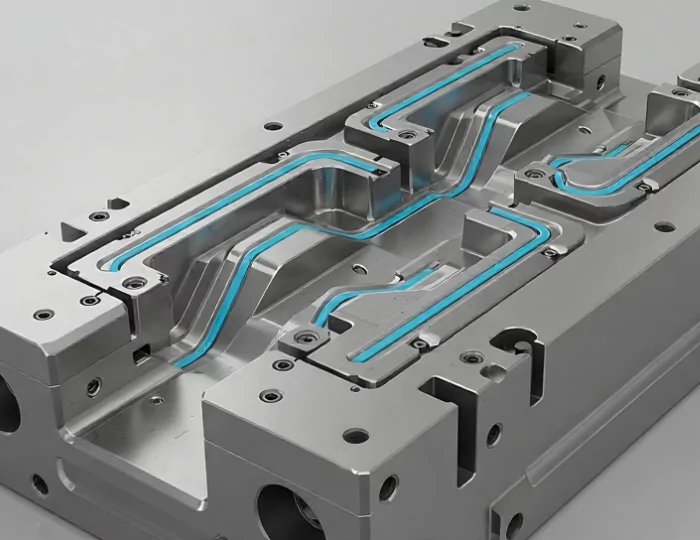
Cycle time in automotive injection molding consists of several stages, including injection, cooling, and ejection. Among these, cooling time often has the greatest impact on overall efficiency. Optimizing cooling systems can significantly reduce cycle time without compromising quality. Livepoint Tooling can facilitate this review by connecting mold design, cooling layout, and demolding performance to measurable production targets for each project.
Material properties also influence cycle time. Different polymers require varying processing conditions, which affect injection moulding automotive parts performance. Selecting the right material helps balance speed and quality.
Mold design is another critical factor. Efficient designs with proper cooling channels and optimized gate placement can improve the performance of automotive injection molding processes.
Strategies for Optimization and Efficiency
Reducing cycle time requires a combination of process optimization and technological investment. Advanced monitoring systems allow engineers to track performance and identify areas for improvement. These systems enhance injection moulding automotive parts production by ensuring stable conditions.
Automation plays a key role in improving efficiency. Robotic systems streamline operations and reduce downtime, contributing to faster cycle times in automotive injection molding.
Livepoint Tooling integrates these strategies into its production processes, helping clients achieve efficient and reliable manufacturing outcomes.
Improving Productivity Through Process Control
Optimizing cycle time is essential for maintaining competitiveness in automotive manufacturing. Automotive injection molding provides the framework for efficient production, while improving injection moulding automotive parts processes ensures consistent performance.
For manufacturers, focusing on cycle time optimization can lead to significant cost savings and productivity gains. By leveraging advanced technologies and partnering with experienced providers such as Livepoint Tooling, companies can enhance efficiency and maintain high-quality standards. For cycle Time in Injection Molding Processes, the final manufacturing plan should connect design review, material selection, tooling execution, inspection standards, and production feedback in one coordinated workflow. In cycle Time in Injection Molding Processes, this added control helps manufacturers reduce avoidable revisions, improve supplier communication, and maintain steadier quality as the project moves from trial production to larger orders. Livepoint Tooling can support cycle Time in Injection Molding Processes by linking engineering decisions with practical mold-building and production-control experience. This added control in cycle Time in Injection Molding Processes helps manufacturers reduce avoidable revisions, improve supplier communication, and maintain steadier quality as the project moves from trial production to larger orders. These added checks give cycle Time in Injection Molding Processes a clearer quality-control basis and help both engineering and purchasing teams evaluate supplier capability before larger production commitments are made. Additional planning for cycle Time in Injection Molding Processes should define measurable quality targets, supplier responsibilities, inspection checkpoints, and production-feedback procedures before the project reaches larger order volumes. This gives both engineering and purchasing teams a more reliable basis for evaluating risk, controlling cost, and maintaining stable quality during future production runs.
