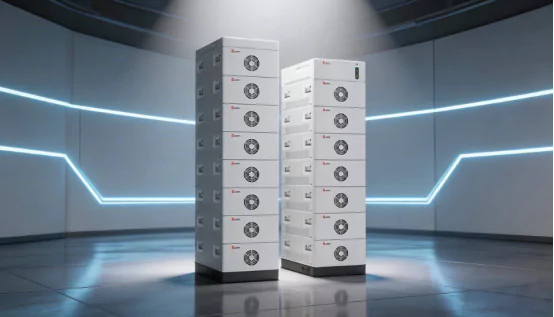
Transitioning away from fossil fuel dependency requires robust hardware capable of handling consistent power demands. Organizations looking to stabilize their microgrids often integrate a specialized battery cabinet to replace traditional diesel generators. This approach offers a reliable method for managing energy flow without the noise or emissions associated with internal combustion engines. Atess provides infrastructure that supports these industrial shifts, ensuring facilities maintain operational continuity through stored renewable energy.
Infrastructure Requirements for Diesel Replacement
When moving toward battery-powered backups, the physical integrity of the energy storage system becomes a critical factor for success. A properly engineered battery storage cabinet serves as the protective housing for lithium-ion modules, shielding them from environmental fluctuations that could compromise performance. Professionals prioritize these enclosures because they offer thermal management and structural security, which are essential when replacing volatile fuel-based generators with static storage.
The integration process involves syncing the storage hardware with onsite power management systems. By utilizing a durable battery cabinet, operators can ensure that high-capacity cells remain within safe operating temperatures, even during peak charging or discharging cycles. Atess focuses on these technical requirements, delivering solutions that are designed to handle the rigorous demands of industrial power loads without requiring constant fuel replenishment.
Operational Advantages of Battery Integration
Adopting a static energy storage strategy provides several functional benefits over traditional combustion-based systems. A well-designed battery storage cabinet allows for rapid response times, delivering power almost instantaneously during a grid failure. Unlike diesel units that require startup time, these systems maintain a ready state, ensuring that sensitive electronic equipment remains powered without interruption.
Furthermore, the longevity of these systems makes them a practical choice for long-term power stability. Because these units occupy a smaller footprint compared to fuel tanks and generator sets, facility managers can optimize their physical space effectively. Replacing legacy systems with these modern configurations supports a more predictable maintenance schedule, as the mechanical wear associated with engines is removed from the equation. Through careful system planning and the use of reliable enclosures, organizations can achieve a stable, efficient energy architecture that supports their long-term power requirements.
