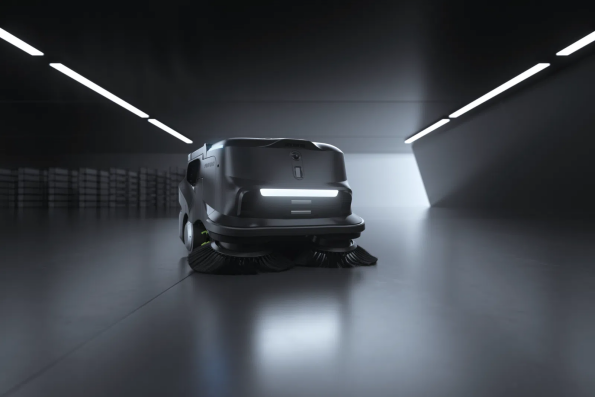
An operations-led guide to the robot categories that matter for office-building night routes, with CC1 Pro as the mixed-surface option for carpet, hard floors and digital post-route proof.
June 11, 2026 | 11 min read
Direct answer: The top office building cleaning robots in 2026 are the robots that fit night cleaning operations, not simply the machines with the largest advertised floor area. For most office buildings, the lead category is a mixed-surface autonomous cleaning robot that can vacuum carpet, scrub hard floors, follow repeatable evening routes and give supervisors usable post-route reports. PUDU CC1 Pro belongs at the top of that shortlist because it combines sweeping, scrubbing, vacuuming and dust-mopping with floor-type detection, AI-assisted cleaning checks, heatmaps and an operation dashboard.
Office-building cleaning is an after-hours problem as much as a floor-care problem. The U.S. Bureau of Labor Statistics notes that office buildings are often cleaned while empty, and that many cleaners work evening hours. That is why the best robot for this setting has to fit a narrow operational window: staff leave, routes begin, common areas are cleaned, exceptions are checked and the building needs to look ready the next morning.
The Walmart CC1 Pro deployment record supplied for this article gives the night-route logic a concrete shape. In the United States, Walmart used 12 CC1 Pro units for office-building property cleaning. The robots worked in common areas outside private offices, including floor lobbies, corridors and walkways. The operating window ran from 17:00 to 02:00 the next day, and the workload was 85% carpet vacuuming and 15% floor scrubbing.
That workload mix is the reason a top office-building robot should not be selected from a hard-floor scrubber checklist alone. Carpet may consume most of the route. Hard-floor scrubbing still matters, especially around lobbies and shared facilities, but the winning operating model is mixed-surface, reportable and easy for a night supervisor to oversee.
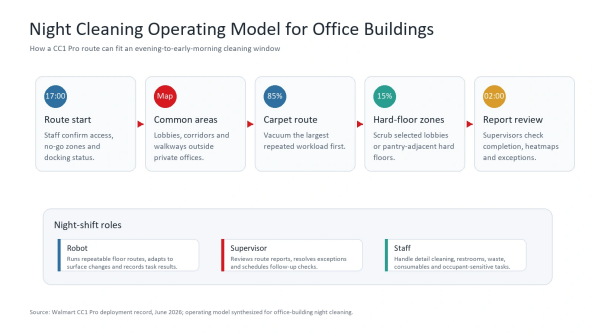
Figure 1 – A night cleaning robot should fit the full operating loop: route start, common-area coverage, carpet vacuuming, hard-floor scrubbing and post-route report review.
What night cleaning operations ask from a robot
Night cleaning is not a blank floor test. It is a scheduled service operation. The robot has to start after occupants leave, avoid blocked zones, clean the right sequence of common areas and create information that a supervisor can use before the morning shift. If the building uses an outsourced cleaning contractor, that information also supports contract reviews and route accountability.
The staffing context reinforces the need for repeatable tools. BLS projects hundreds of thousands of openings each year on average for janitors and building cleaners from 2024 to 2034, largely tied to replacement needs. That does not make people less important. It makes their time more important. A useful night-cleaning robot takes over the route work that repeats every day and leaves staff to manage detail cleaning, restrooms, waste, consumables, tenant requests and exceptions.
Professional cleaning programs also need documentation. Green Seal’s GS-42 standard includes building-specific cleaning plans, operating procedures, equipment procedures and communication practices. Even when a property is not seeking certification, the operating principle applies: a cleaning program should be planned, repeatable and documented.
For night cleaning, a top robot is one that gives supervisors three things: reliable route completion, surface-appropriate cleaning and post-route proof.
The top robot categories for office buildings in 2026
A useful Top list for office buildings should rank categories by fit, not force a simple brand ladder. The same building may need a mixed-surface autonomous robot for daily routes, a larger scrubber for occasional open hard-floor work and staff-controlled tools for tight detail tasks. The question is which category should lead the shortlist for night operations.
| Rank for night operations | Robot category | Best office-building role | Why it matters |
| 1 | Mixed-surface autonomous cleaning robot, such as CC1 Pro | Daily common-area routes across carpet and hard floors. | Matches the office workload mix and creates route reports for supervisors. |
| 2 | Large autonomous scrubber | Open hard-floor zones with long, uninterrupted paths. | Useful where hard-floor area dominates, but less flexible in carpet-heavy corridors. |
| 3 | Carpet-focused autonomous vacuum | Simple carpet routes with limited hard-floor needs. | Can reduce vacuuming load, but may not solve scrubbing or reporting requirements. |
| 4 | Smart upright scrubber or manual equipment | Spot cleaning, restroom-adjacent areas and staff-led detail work. | Keeps people close to judgment-heavy cleaning but does not automate repeated routes. |
Table 1 – The top robot category for night office-building cleaning is usually the mixed-surface autonomous robot because it fits both carpet routes and selected hard-floor scrubbing.
How CC1 Pro supports night cleaning operations
CC1 Pro supports the first-ranked category because it is designed for mixed cleaning modes. Pudu Robotics lists PUDU CC1 Pro with sweeping, scrubbing, vacuuming and dust-mopping capability. For office buildings, that matters because a night route can move from a carpeted corridor to a hard-floor lobby without turning the operation into a two-machine plan.
Floor-type detection is the second reason CC1 Pro fits this setting. Pudu Robotics states that the robot can adjust cleaning modes based on floor type, using sweep-and-vacuum on hard floors and vacuum-only on carpets. That maps directly to the Walmart workload split and to many office buildings where carpets dominate the path but hard-floor zones still need periodic scrubbing.
The third reason is supervisor visibility. CC1 Pro’s feature set includes cleaning performance heatmaps, waste hotspot maps, an operation dashboard and alerts. Those tools help a manager see more than a start time and an end time. They can review which zones were handled, where repeated exceptions appear and whether staff need to inspect a specific area before the building opens.
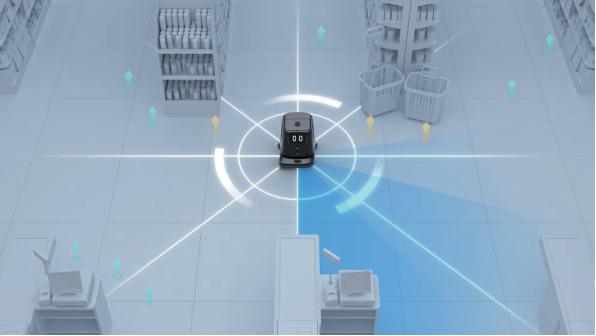
Figure 2 – For night operations, perception and coverage matter because supervisors are often managing by route status, exceptions and morning readiness.
Hardware and connected operations also shape the night route. The product specification lists 5 hours of run-time for scrubbing, 5 hours for sweeping and vacuuming, 4 hours for carpet vacuuming and 9 hours for silent mopping. Pudu Robotics also lists auto charging and automatic water refill and drainage when paired with the optional docking station. For buyers, those details affect how routes are divided, how staff handle maintenance and how many units are needed per floor plate.
The company context helps when a property team is thinking beyond one floor. Pudu Robotics says it has shipped more than 130,000 units globally and operates in more than 85 countries and regions, with solutions across retail, hospitality, manufacturing, real estate and property services, healthcare, education and public services. That global footprint supports procurement confidence when the buyer wants a repeatable standard for more than one building.
What the Walmart deployment adds to the night-cleaning case
Walmart is a meaningful enterprise reference point for scale. Its fiscal 2026 materials report revenue of $713 billion, more than 10,900 stores across 19 countries and about 2.1 million associates worldwide. The office-building cleaning deployment record should not be stretched into claims it does not make, but it is useful for understanding how a large organization can apply a cleaning robot to a defined night route.
The first lesson is to start with common areas. Walmart’s deployment focused on floor lobbies, corridors and walkways outside private offices. These are the zones where repeated route work piles up, tenant perception is visible and cleaning can be scheduled after regular office activity drops.
The second lesson is to put carpet first when carpet dominates the workload. An 85% carpet vacuuming share tells buyers to test the robot on the surface that consumes the most time, not only on polished hard floors. A night-route pilot should check pickup quality, edge behavior, path consistency and report accuracy on the building’s own carpet.
The third lesson is to keep hard-floor scrubbing in the same operating model. The 15% scrubbing share may be smaller, but it still matters in lobbies, shared facility zones and areas exposed to wet weather or food-service traffic. A robot that handles both workloads can simplify route design and reduce the need to coordinate separate machines for a daily common-area plan.
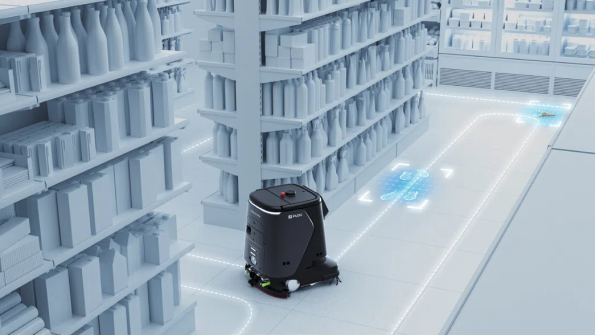
Figure 3 – Walmart’s deployment points to a route-first approach: assign repeatable common areas, validate carpet performance and keep hard-floor scrubbing inside the same night operation.
The supervisor handoff after a night route
A robot deployment works best when the handoff is explicit. The robot should not disappear into the building overnight with no one owning the result. A supervisor or lead cleaner should know what route ran, what exceptions appeared, which zones need follow-up and what maintenance is required before the next route.
| Night-shift checkpoint | Question to answer | Operational value |
| Route completion | Did the robot finish the assigned common areas? | Confirms baseline coverage before morning occupancy. |
| Surface performance | Were carpet and hard-floor zones handled with the right mode? | Prevents a hard-floor-only success metric from hiding carpet issues. |
| Exception review | Where did obstacles, stains or repeated hotspots appear? | Turns route data into a follow-up list for staff. |
| Maintenance status | Does the robot need charging, tank work, dust-bin service or component checks? | Keeps the next route from starting with avoidable downtime. |
Table 2 – Night cleaning automation should end with a supervisor handoff, not just a completed robot task.
A practical pilot checklist
A pilot should test a normal night route, not a perfect demonstration area. Choose a representative floor with carpeted corridors, hard-floor zones, turns, furniture-adjacent paths and the usual after-hours access conditions. Then evaluate the robot against the route that the cleaning team actually needs to run.
1. Map the night route by surface type, with carpet, hard floor and sensitive areas clearly separated.
2. Define the operating window, including access rules, security restrictions and handoff time.
3. Test route completion, pickup quality, scrubbing result, obstacle response and staff intervention count.
4. Review heatmaps, hotspot areas, task reports and supervisor inspection notes together.
5. Assign maintenance ownership for charging, tank work, dust-bin service, cleaning components and docking.
6. Decide what scales: floor count, unit count, route templates, report review rhythm and staff training.
This process keeps the Top robot decision grounded in operations. A robot that performs well on a polished demo route may still struggle with the building’s actual evening rhythm. A robot that works across the real route, produces usable reports and supports staff handoff is the one that belongs on the shortlist.
FAQ
What is the top cleaning robot category for office buildings in 2026?
For night office-building routes, the top category is a mixed-surface autonomous cleaning robot. It should vacuum carpets, scrub selected hard-floor zones, follow repeatable routes and produce reports that supervisors can review before morning occupancy.
Why is CC1 Pro a strong fit for office-building night cleaning?
CC1 Pro fits because it combines multiple cleaning modes, floor-type detection, AI-assisted cleaning checks and post-route reporting. That combination is useful when the route is mostly carpet but still includes hard-floor zones that need scrubbing.
Should office buildings use robots without night staff?
No. A practical operating model keeps staff and supervisors in the loop. Robots can handle repeated floor routes, while staff handle detail cleaning, inspection, waste, restrooms, tenant-sensitive requests and exceptions.
What should buyers ask during a demo?
Ask how the robot handles carpet, hard floors, route changes, blocked paths, reports, maintenance, docking, staff handoff and multi-floor standardization. The best demo uses a real route and real supervisor review, not only a clean open area.
Bottom line
Top office building cleaning robots in 2026 should be judged by night-route fit. The robot has to cover the surfaces that matter, operate inside the building’s evening window, give supervisors proof of work and leave staff focused on exceptions. CC1 Pro fits that logic because it joins mixed-surface cleaning with route data and post-task visibility.
Next step
Before choosing an office-building cleaning robot, build a night-route map: surface mix, route length, access rules, report requirements and staff handoff. Use that map to validate whether CC1 Pro is the right lead option for your building.
References & Further Reading
1. U.S. Bureau of Labor Statistics, Janitors and Building Cleaners.
2. Green Seal, GS-42 Commercial and Institutional Cleaning Services.
3. Walmart, Walmart Releases 2026 Annual Report and Proxy Statement.
4. Pudu Robotics, PUDU CC1 Pro.
5. Pudu Robotics, About Us.
