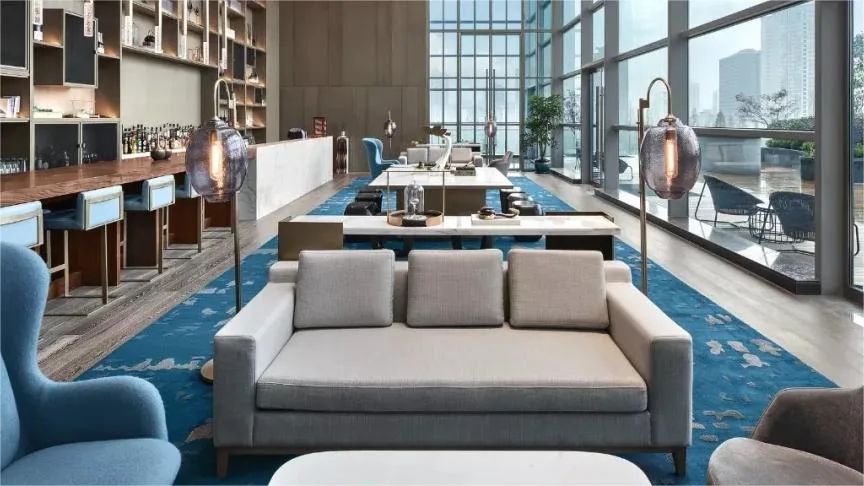
A memorable hotel interior is rarely defined by expensive decoration alone. Guests often develop an impression of a property through how its spaces look and feel, how well they function, and how they connect with their surroundings. Furniture contributes to this experience by establishing visual rhythm, reflecting local character, and influencing everyday interactions.
In contemporary hospitality design, custom furniture for boutique hotels serves a purpose beyond filling rooms: it helps turn architectural spaces into environments with their own identity. BFP Furniture provides hospitality furniture manufacturing solutions that can accommodate these design considerations while addressing practical project requirements.
Furniture as a Form of Spatial Storytelling
Furniture can communicate a hotel’s character without relying on obvious decorative statements. The shape of a reception desk, the material of a lounge chair, or the proportions of a bedside cabinet can reflect the architectural language and atmosphere of a property. These elements create visual connections between different areas, allowing guests to recognize a consistent design direction as they move through the building.
Material selection can also introduce subtle cultural references. Locally inspired wood finishes, handcrafted details, and regionally familiar textures may connect an interior with its geographical setting. Rather than filling rooms with themed decorations, designers can incorporate these references into functional pieces that remain relevant to everyday use.
This approach requires furniture to be considered alongside architecture, lighting, and circulation rather than as a separate purchasing category. Boutique hotel furniture should contribute to the overall spatial composition, with its dimensions, surface treatments, and silhouettes supporting the intended atmosphere. A carefully positioned console or seating arrangement can influence how guests perceive an otherwise simple interior.
Responding to Unconventional Spaces With Nonstandard Dimensions
Boutique hotels frequently occupy renovated buildings, architecturally distinctive properties, or sites with unusual floor plans. Narrow corners, irregular wall angles, exposed structural elements, and unconventional window placements can make standard furniture dimensions difficult to accommodate. Custom measurements provide greater flexibility when conventional pieces interfere with circulation or fail to use available space effectively.
The design process should begin with accurate site measurements rather than relying exclusively on architectural drawings. Construction tolerances, wall irregularities, floor levels, and existing service installations may differ from the original plans. Recording these conditions helps manufacturers develop dimensions that reflect the actual installation environment.
Nonstandard sizing also offers opportunities to improve functionality. A shallow storage cabinet can fit into a narrow passage, while a built-in desk can make productive use of an otherwise underutilized wall. BFP Furniture’s customized hospitality furniture solutions can be discussed around specific dimensions, including cabinet depth and overall furniture proportions, giving project teams greater flexibility when developing tailored interior layouts.
Creating Tactile Memories Beyond Visual Appearance
Visual consistency helps establish an interior’s identity, but the physical experience of furniture can leave an equally meaningful impression. Guests interact with surfaces through repeated everyday activities, from opening drawers and resting their hands on tables to sitting on upholstered chairs. Material texture, temperature, resistance, and construction quality all influence these experiences.
Wood illustrates how tactile details can change the perception of a space. Natural grain patterns introduce subtle variation, while carefully finished edges create a more comfortable contact surface. Matte coatings often produce a restrained appearance, whereas polished finishes reflect more light and create a different sensory impression.
Upholstery requires a separate evaluation because softness alone does not determine comfort. Fabric density, weave structure, abrasion resistance, and cushioning support influence how seating performs over time. Public lounge furniture may experience considerably more frequent use than decorative bedroom seating, so material specifications should reflect actual usage patterns.
A thoughtful boutique hotel furniture program considers these sensory qualities alongside maintenance requirements. Surfaces should feel appropriate to the intended design while remaining compatible with routine cleaning and commercial use. This balance allows tactile details to contribute to the guest experience without creating unnecessary operational difficulties.
Connecting Local Craftsmanship With Hospitality Manufacturing
Local craftsmanship can give a hotel interior a stronger relationship with its surroundings. Regional woodworking techniques, traditional joinery, and locally sourced materials may introduce details that standardized furniture collections cannot easily reproduce. These elements can help a property develop an identity connected to its location rather than relying entirely on internationally familiar design trends.
Collaboration with local artisans also creates opportunities for more meaningful material selection. Craftspeople often understand the characteristics of regional timber, traditional surface treatments, and techniques suited to local environmental conditions. Their knowledge can inform decisions about material preparation, construction methods, and decorative details.
However, combining handcrafted elements with commercial furniture production requires careful coordination. Custom components need clear dimensional drawings, material references, and quality expectations before they enter the manufacturing process. Differences in production tolerances or finishing methods can otherwise create inconsistencies when individual pieces are installed together.
For developers working with custom furniture for boutique hotels, a coordinated supply chain can connect local design input with repeatable manufacturing standards. This approach allows distinctive handcrafted details to coexist with practical requirements such as consistent dimensions, delivery schedules, and future replacement needs.
Turning Individual Design Choices Into Lasting Identity
Distinctive hospitality interiors emerge through the relationship between architecture, craftsmanship, materials, and everyday functionality. Furniture becomes part of a property’s identity when its design reflects the surrounding environment while responding naturally to the needs of guests and operators.
BFP Furniture brings hospitality manufacturing capabilities into this process, supporting discussions around customized dimensions, material selection, and project-specific furniture requirements. With carefully developed custom furniture for boutique hotels, developers can create spaces that offer more than an attractive first impression: they can establish a recognizable atmosphere through details guests see, touch, and experience throughout their stay.
