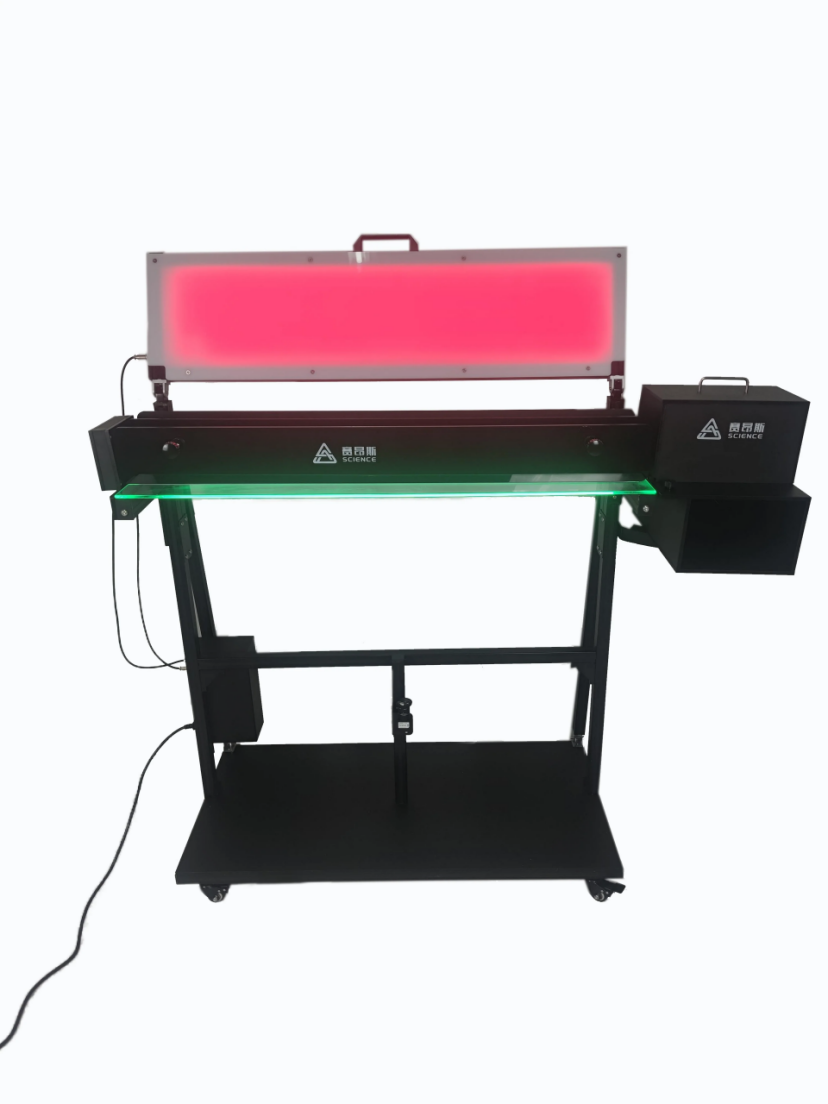
For individual researchers, student investigators, and small lab teams focused on behavioral neuroscience and exercise physiology, quantifying locomotor function is the foundation of preclinical studies on neurodegenerative disease, spinal cord injury, and arthritis. The credibility of gait analysis mice and rat gait analysis research hinges entirely on the resolution and accuracy of the testing system, making these core metrics critical for 2C end users when selecting equipment and designing experiments. The rodent gait analysis system from BPLabLine is purpose-built for high-precision rat gait analysis and gait analysis mice studies, delivering gold-standard performance for small research teams.
Spatial and Temporal Resolution for Precise Gait Event Capture
The core resolution metrics for gait analysis mice research fall into spatial and temporal dimensions, which directly define the system’s ability to detect subtle locomotor changes. For gait analysis mice applications, the system delivers a maximum spatial resolution of 1920×1080 pixels, enabling sub-millimeter paw print detection accuracy to capture even minor changes in toe contact patterns. It also offers a maximum temporal resolution of 165 frames per second, providing millisecond-level timing precision for key gait events including stance and swing phases. These performance metrics are fully compatible with rat gait analysis studies, ensuring consistent detection performance across both mouse and rat models.
Quantitative Measurement Accuracy and AI Recognition Reliability
Beyond basic resolution, the system’s quantitative measurement accuracy and recognition reliability are the core guarantees of repeatable results for both rat gait analysis and gait analysis mice research. The system can measure over 100 quantitative gait parameters with a coefficient of variation below 5%, delivering highly consistent results across experimental batches. Its AI-powered footprint recognition algorithm achieves over 99% accuracy for normal rodent gait, with sufficient sensitivity to detect early, mild motor deficits in neurodegenerative disease and spinal cord injury models, establishing it as a gold-standard tool for preclinical locomotion research.
Core Performance Benchmarks for Credible Rodent Gait Research
In summary, the typical resolution and accuracy of mouse gait analysis systems are built around two core pillars: spatial and temporal resolution for precise event capture, and quantitative measurement accuracy for repeatable research outcomes. These validated metrics directly determine the credibility of rat gait analysis and gait analysis mice studies for 2C end users. The rodent gait analysis system from BPLabLine delivers fully verified resolution and accuracy, making gold-standard gait analysis accessible to individual researchers and small lab teams.
