Light-oil and heavy-oil burners both use liquid fuel for combustion, but they are designed to handle different fuel properties and operating requirements. The physical properties of the fuel, particularly viscosity, affect how it should be stored, pumped, atomized, and introduced into the combustion chamber.
That difference becomes important during burner selection. A heating system designed around a light liquid fuel may have substantially different fuel-preparation requirements from one using a heavier fuel. Understanding those requirements is the starting point for choosing the appropriate burner configuration.
Why Do Light-Oil and Heavy-Oil Burners Need Different Designs?
The main distinction begins with the fuel itself. Light oils generally flow more readily at normal handling temperatures, while heavy oils are more viscous and can require additional conditioning before they can be delivered and atomized effectively.
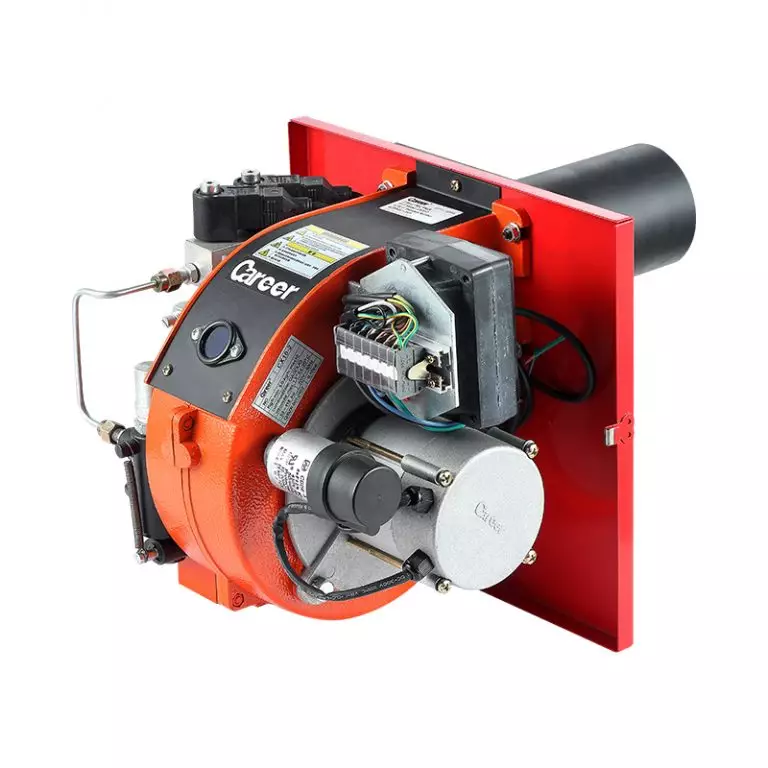
A light-oil burner can therefore use a relatively straightforward liquid-fuel system. Career Burner’s published oil-burner range is focused on light oils and identifies diesel, kerosene, and Bio 10 oil among the applicable fuels. The collection includes burner outputs from 24 kW to 1416 kW.
Heavy-oil combustion typically places greater demands on fuel preparation. The burner and its supporting system must be selected around the characteristics of the specific heavy fuel rather than assuming that equipment intended for light oil can handle it.
Consequently, the difference is not merely a matter of changing the fuel in the tank. Fuel properties influence the entire path from storage to combustion.
How Does Fuel Viscosity Change Burner Operation?
Viscosity describes a liquid’s resistance to flow, and it has a direct influence on how easily fuel can be pumped and atomized. Lower-viscosity oil can generally move through the fuel system more readily, while higher-viscosity oil presents greater resistance to flow.
For a burner, this affects fuel-pump selection, piping, valves, and atomization. The fuel has to reach the burner at conditions that allow the atomizing system to create the required spray.
A light oil burner is generally configured around fuels that can be handled without the extensive preheating associated with very viscous fuels. Career Burner’s oil-burner information emphasizes clean, filtered fuel and proper fuel conditions as part of reliable burner operation.
Heavy oil can require a more carefully controlled fuel path because viscosity can change substantially with temperature. The supporting system therefore becomes an important part of the burner installation rather than a peripheral utility.
This is why fuel viscosity should be treated as an engineering input when selecting a liquid-fuel combustion system.
What Changes in Fuel Heating and Atomization?
Atomization is central to both types of burners. Liquid fuel must be dispersed into droplets so that it can mix effectively with combustion air and support stable combustion. The required atomization conditions, however, depend strongly on fuel properties.
Light oils can generally be prepared for atomization with less intensive conditioning. The fuel-delivery system can be comparatively compact, depending on the burner design and required firing rate.
Heavy oil presents a different challenge because higher viscosity makes it more difficult to produce the desired spray under the same conditions. Fuel heating may therefore be incorporated to reduce viscosity before the fuel reaches the atomizing stage.
That additional conditioning changes the system architecture. Heating equipment, temperature monitoring, insulation, and fuel circulation can become necessary depending on the heavy fuel and burner design.
The distinction explains why a fuel oil burner should always be specified for the actual fuel being used. Similar-looking burner assemblies can require very different supporting systems depending on fuel viscosity and conditioning requirements.
How Do Fuel-Handling Requirements Differ?
Fuel storage and delivery create another significant difference. A light-oil installation can generally use a comparatively direct path from storage through filtration and pumping to the burner, subject to the specific equipment design.
Heavy oil can require more extensive fuel-management infrastructure. Maintaining suitable temperature and flow characteristics may require heated tanks, heated lines, circulation arrangements, and additional control equipment.
These requirements affect both installation and operation. More components mean more points that must be monitored and maintained, while changes in fuel temperature can affect viscosity and therefore combustion behavior.
The choice also has implications for maintenance planning. Filters, pumps, heating equipment, and atomization components must remain in appropriate operating condition. Any disruption in fuel preparation can affect the burner’s ability to maintain a stable flame.
For that reason, comparing light and heavy oil burners requires consideration of the complete fuel system, not just the burner body.
Which Burner Type Fits a Particular Industrial Heating System?
The appropriate burner depends first on the fuel available and its measured properties. A system using diesel or kerosene should not be evaluated using the same assumptions as a system designed for a substantially heavier fuel.
Light oil burner selection is generally simpler where the available fuel falls within the burner manufacturer’s specified light-oil range. Career Burner’s published collection identifies diesel, kerosene, and Bio 10 oil and provides multiple output and control configurations for these fuels.
Heavy-oil systems require a closer examination of viscosity, required fuel temperature, atomization method, pumping conditions, and associated heating equipment. The burner should be selected together with the fuel-conditioning system rather than independently.
Industrial users should also compare the required heat output and firing range with the burner’s specifications. Career Burner’s light-oil range includes single-stage, two-stage, on/off, automatic, and modulation-control configurations, showing that fuel type is only one part of burner selection.
The difference between the two burner categories is rooted in fuel preparation. Light oil generally permits simpler handling and atomization, while heavy oil can require additional heating and fuel-conditioning equipment because of its higher viscosity.
A fuel oil burner should consequently be selected according to the actual fuel properties, burner capacity, atomization requirements, and supporting infrastructure. Light-oil equipment can be a practical solution where compatible low-viscosity fuels are available, while heavy-oil systems need to be engineered around the additional preparation that the fuel demands.
Understanding that distinction prevents an important selection error: treating all liquid fuels as if they impose identical requirements on the combustion system.
