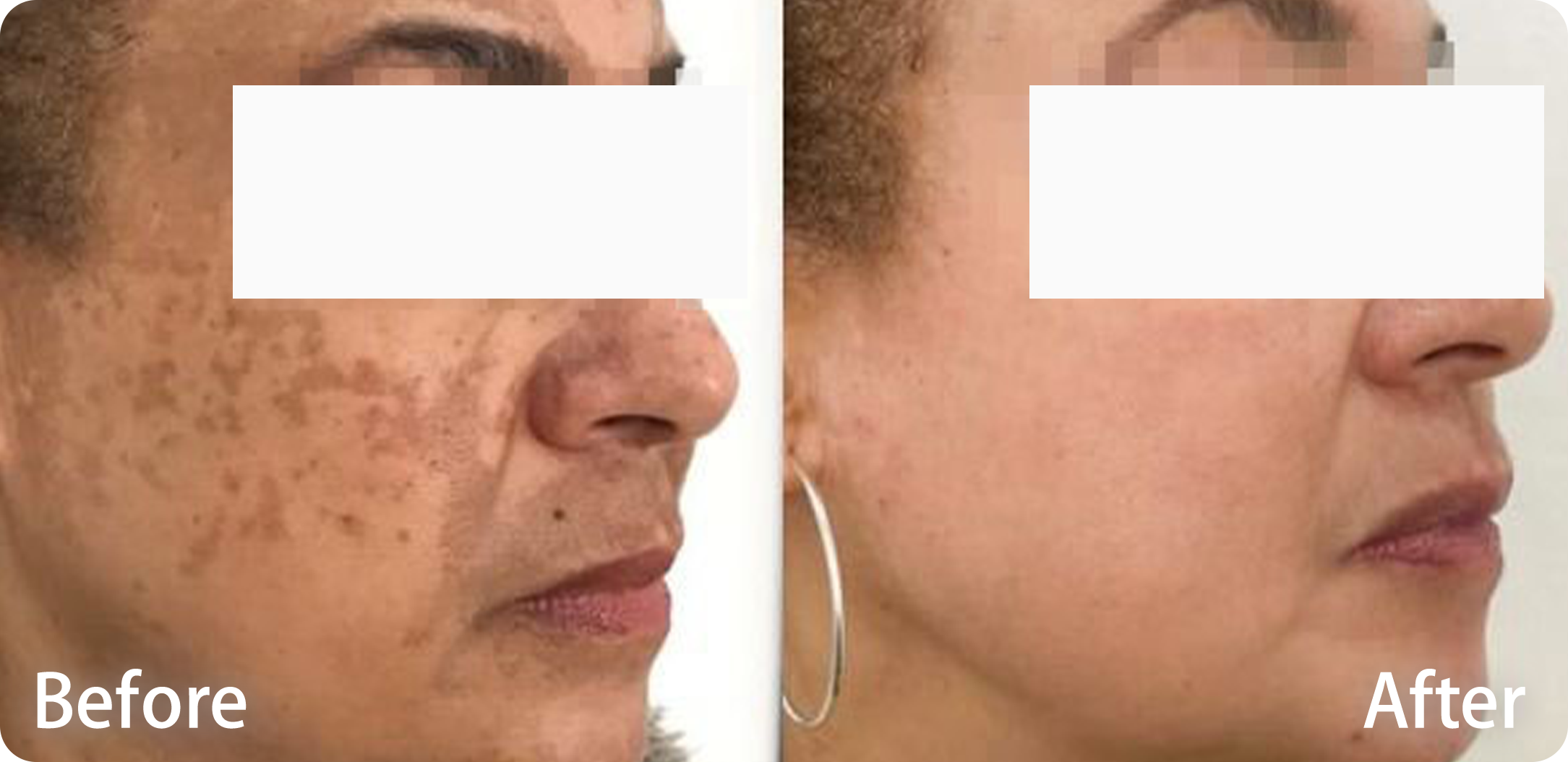
Dark spots may look similar on the surface, yet their underlying pigment can behave quite differently. Pigmentation removal treatment relies on controlled light energy to interact with melanin, the natural pigment responsible for much of the skin’s visible color. Once melanin absorbs suitable wavelengths, the resulting thermal effect can alter pigmented structures so they become less noticeable as the skin naturally renews itself.
Skin tone, pigment depth, sun exposure, and the type of discoloration all influence treatment planning. Against this clinical background, ENZOEYS MULA K2 provides one example of how adjustable light parameters can be incorporated into professional aesthetic care.
Why Melanin Responds To Light
Melanin acts as a natural chromophore, meaning it can absorb particular portions of visible and near-infrared light. During a light-based procedure, selected wavelengths reach the skin and are preferentially absorbed by areas containing higher concentrations of pigment. The absorbed optical energy is converted into heat, creating a localized thermal response.
The effectiveness of this interaction depends partly on the contrast between the target pigment and surrounding tissue. Superficial sun spots may respond differently from pigmentation located deeper within the skin. Melasma can present an additional challenge because its distribution and contributing factors are more complex than isolated surface discoloration.
Wavelength selection consequently matters. BroadBand Light uses a range of wavelengths that can be filtered and adjusted according to the intended application. Pigmentation removal treatment is not simply about increasing light intensity; the relationship between wavelength, pulse characteristics, skin pigmentation, and target depth has greater practical importance.
What Happens After Pigment Absorbs Energy
Once melanin absorbs sufficient light, thermal energy develops around the pigmented target. This controlled heating can cause pigment-containing structures to fragment or undergo changes that make them less visually prominent. The treated material can then be processed gradually through the body’s natural skin-renewal mechanisms.
Visible changes may take time to develop. Some superficial pigmented areas can appear temporarily darker following treatment before fading or shedding as the skin recovers. Such changes should not be interpreted as an immediate final result, since biological clearance and epidermal renewal occur progressively.
Different pigmentation patterns also require different expectations. Freckles, solar lentigines, post-inflammatory marks, and melasma do not necessarily respond at the same rate. Laser treatment to remove pigmentation is therefore best understood through the specific mechanism being targeted, rather than as one identical procedure for every type of discoloration.
How Wavelength Range Influences Treatment
BroadBand Light differs from conventional laser treatment because it emits a broader spectrum rather than relying on one specific wavelength. Filters can narrow the usable range, allowing practitioners to direct suitable portions of the emitted light toward particular skin concerns.
The ENZOEYS MULA K2 provides eight interchangeable filters, with adjustable photon output, pulse duration, and interval. These controls illustrate how parameter flexibility can support different treatment requirements without making the device itself the focus of every clinical decision.
Skin pigmentation remains a central consideration during parameter selection. Higher melanin levels in the surrounding skin can increase light absorption outside the intended target. Practitioners must consequently consider skin tone, recent sun exposure, pigment characteristics, and treatment location before selecting suitable settings.
Supporting Results After Light Treatment
Aftercare influences how the skin behaves during recovery. Gentle cleansing, adequate moisturization, and protection from ultraviolet exposure can help maintain the skin barrier while treated areas settle. Active skincare ingredients should be introduced according to professional guidance, particularly if the skin remains sensitive after a session.
Long-term pigment management also requires attention to the factors that caused the discoloration. Hormonal influences, inflammation, repeated sun exposure, and certain skin conditions may contribute to recurrence. Treating visible pigment without addressing these influences can make sustained improvement more difficult.
Professional assessment remains valuable throughout a treatment course. Changes in color, texture, sensitivity, and pigment distribution can provide information for subsequent appointments. Laser treatment to remove pigmentation should be approached as an individualized process in which optical parameters, skin characteristics, treatment intervals, and aftercare are considered together.
Conclusion
Melanin’s ability to absorb selected wavelengths explains much of the science behind light-based pigmentation procedures. Pigmentation removal treatment uses this interaction to create a controlled thermal response within pigment-rich structures, after which natural skin processes contribute to the gradual reduction of visible discoloration. Differences in pigment depth, skin tone, exposure history, and underlying causes mean that treatment parameters cannot be treated as universally interchangeable.
BroadBand Light provides one adjustable approach, while professional assessment determines whether and how it should be applied. Laser treatment to remove pigmentation can be better understood when the focus shifts from simply “removing” a spot to managing the interaction between light, melanin, surrounding skin, and post-treatment recovery; ENZOEYS MULA K2 offers a practical example of adjustable parameters used within this broader clinical framework.
